
The 10 most repulsive dishes in the world: would you dare to try them?

Journey through the world’s worst dishes, improbable delicacies that challenge the taste and smell of every gastronomic adventurer.
The dishes of the world reveal an immense cultural diversity, but some go far beyond the ordinary. Discover these dishes, so strange that they are often considered repugnant by foreigners, but which are local culinary treasures.
1. Casu Marzu (Sardinia, Italy)
Casu Marzu is a cheese infested with live fly larvae, to the point of being illegal in some European countries. Yet for the Sardinians, it remains a refined delicacy, sought after for its pungent taste and ancient history. This cheese is even sold on the black market for twice the price of a classic pecorino.

2. Hákarl (Iceland)
Hákarl, fermented shark, is known for its unbearable smell of ammonia. This traditional Icelandic food requires lengthy preparation to remove the toxins from the meat, making it an unforgettable culinary experience for the more daring.
3. Surströmming (Sweden)
Surströmming, Sweden’s fermented herring, is often described as one of the smelliest foods in the world. Its smell is so strong that it is usually eaten outside to avoid disturbing guests.
4. Balut (Philippines)
Balut is a fertilized duck egg with an almost fully developed embryo inside. Considered a high-protein snack, it is often served with salt and vinegar in the Philippines.
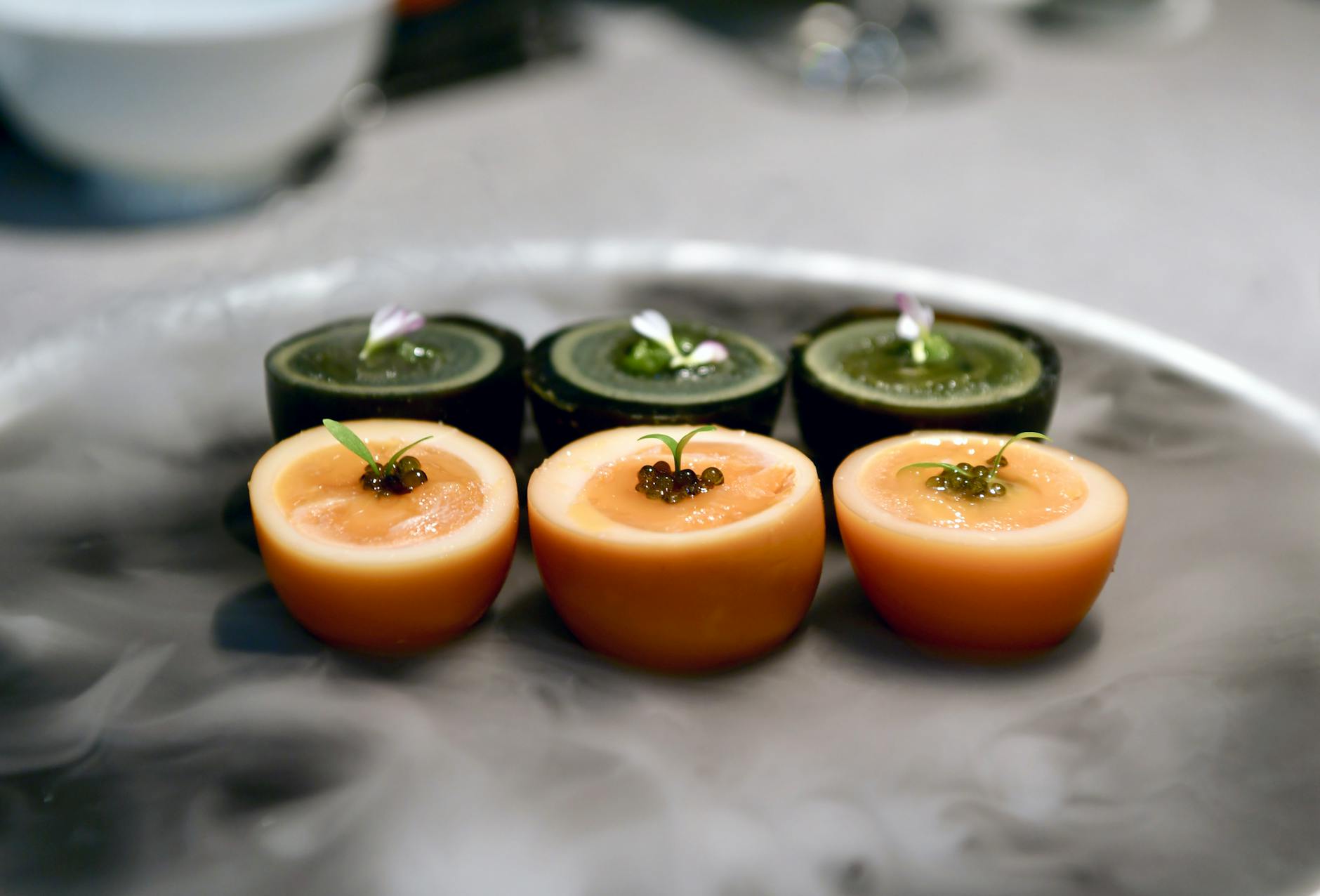
5. Hundred-year-old egg (China)
The hundred-year-old egg is preserved for several months in a mixture of ash and lime, giving it a gelatinous texture and a very pronounced taste. It is a traditional food in Chinese cuisine.
6. Lutefisk (Scandinavia)
Lutefisk is a traditional Scandinavian dish of dried fish, rehydrated with caustic soda to give it a gelatinous texture. This dish is mainly served at Christmas time.
7. Sannakji (South Korea)
This dish consists of pieces of octopus still alive, with tentacles still moving in the plate. Sannakji is eaten raw and represents a challenge for thrill-seekers.
8. Fried tarantula (Cambodia)
As a crunchy snack, fried tarantula is popular in Cambodia. Its crispy exterior and tender interior make it a culinary experience as frightening as it is unexpected.
9. Yak penis (Tibet, Nepal)
This traditional dish is reputed to have aphrodisiac properties. It is often grilled or served as a soup in certain regions of Tibet and Nepal.
10. Escamoles (Mexico)
Escamoles are ant larvae harvested from agave roots. Considered the “caviar of insects”, this dish is often enjoyed with butter and spices in Mexico.
Every culture has its culinary curiosities, and what may seem repugnant to some is a delight to others. These dishes reflect not only the diversity of tastes around the world, but also the way in which culinary traditions are shaped by centuries of history.
