
Alloco: Recipe, Origin, and Side Dishes for This Ivorian Dish

Key Takeaways
- Alloco: very ripe plantains, sliced and then fried until golden brown.
- Texture: crispy on the outside, tender and slightly sweet on the inside.
- Side dishes: braised or fried fish, braised chicken, tomato-chili sauce, fried onions, or eggs.
- Origin: A signature dish of Côte d’Ivoire, very popular throughout West Africa.
- Prep time: about 25 to 30 minutes.
Alloco is one of the most popular dishes in Côte d’Ivoire. Made from very ripe plantains fried in oil, it is served hot, often accompanied by braised fish, spicy tomato sauce, or simply fried onions. It is a simple, flavorful dish deeply rooted in Ivorian culture.
What is alloco?
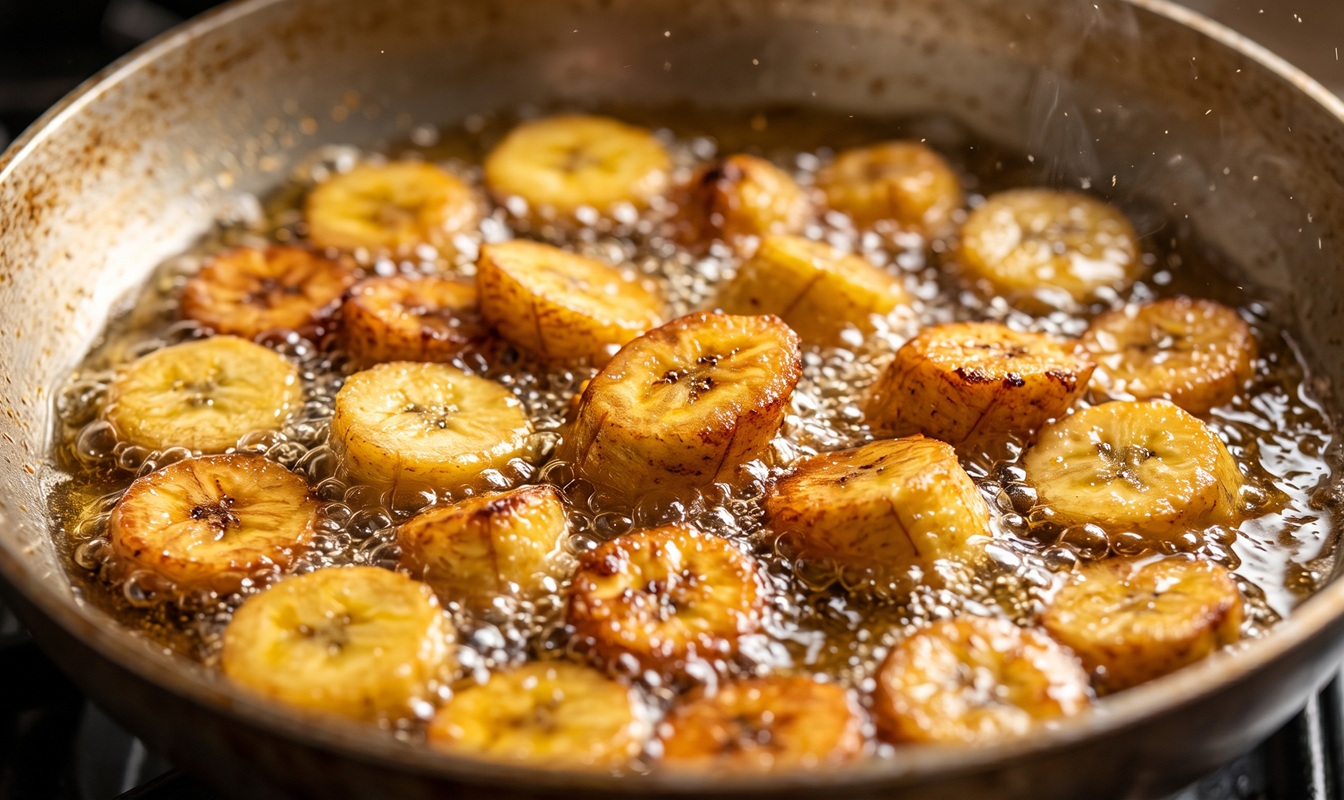
Alloco is a dish made from fried plantains. The plantains are peeled, cut into rounds or thick slices, and then fried until golden brown. The result should be crispy on the outside and tender on the inside.
The word “alloco” comes from Baoulé, a language spoken primarily in central and eastern Côte d’Ivoire. It refers to a ripe, sweet plantain, which explains why the degree of ripeness is so important to the success of this dish.
Unlike a simple fried banana, alloco relies on a precise balance: the banana must be ripe enough to release its natural sugar, but not too soft, so it doesn’t fall apart during frying. Very ripe plantains, with yellow skin speckled with black, are generally the best choice.
The Origins of Alloco
Alloco is closely associated with Ivorian cuisine, but it is also eaten in several West African countries. In Côte d’Ivoire, it holds a special place in street food: it can be found in maquis, small eateries, markets, bus stations, and street stalls.
Its popularity stems from its simplicity. The ingredients are readily available, it’s quick to prepare, and the dish can be served at any time of day. It can serve as a snack, an evening meal, or a hearty side dish for fish or braised meat.
Ingredients for a Perfect Alloco
To make alloco for 4 people, you’ll need:
- 4 very ripe plantains
- Frying oil: peanut, sunflower, or red palm oil, depending on tradition
- Salt
- Pepper(optional)
- 1 onion
- 2 tomatoes or tomato puree
- 1 chili pepper, depending on desired heat level
- Braised or fried fish, or braised chicken, as a side dish
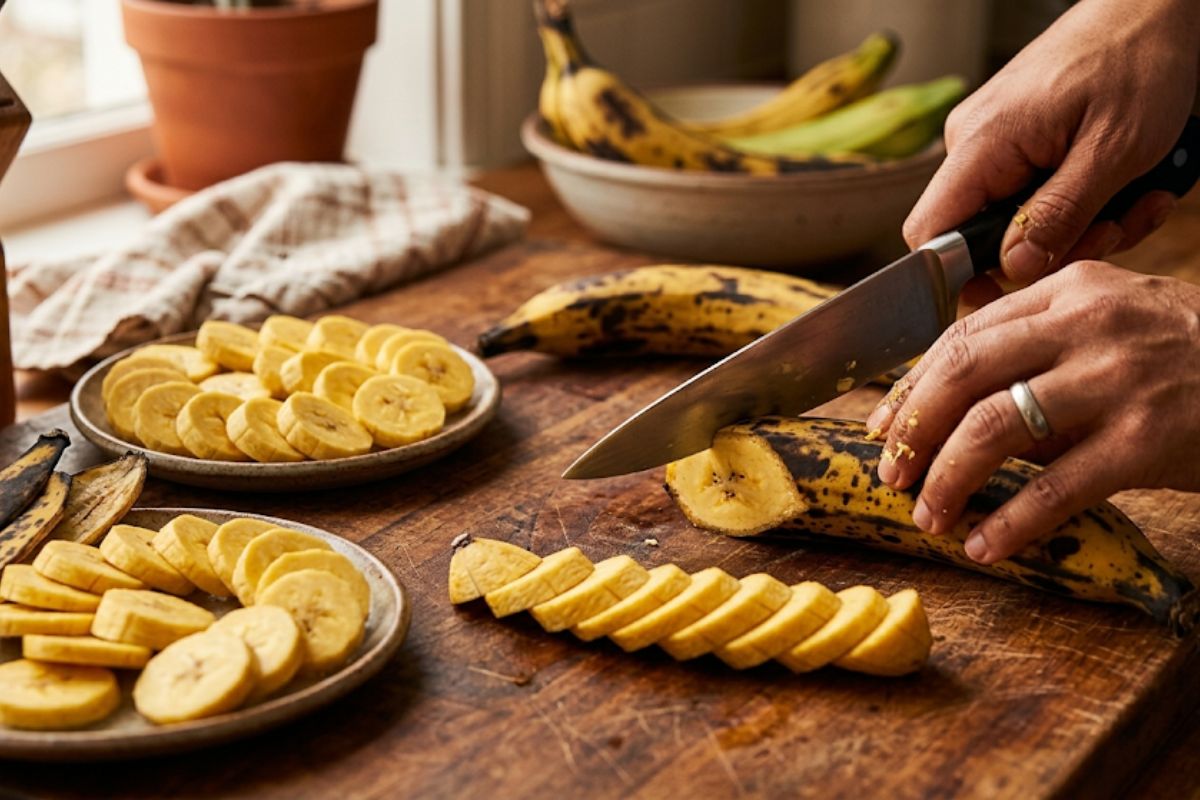
Choosing the right plantains is essential. Opt for very ripe plantains with several black spots on the skin. They’ll be sweeter, more flavorful, and will result in a creamier alloco. Plantains that are still green or not quite ripe will yield a firmer, less sweet, and sometimes drier result.
The Alloco Recipe
Step 1: Prepare the plantains
Peel the plantains, then cut them into rounds about 1 to 1.5 cm thick. You can also cut them on the diagonal to get wider slices, which caramelize more on the edges.
Lightly salt the slices and let them sit for a few minutes. This step helps bring out the plantain’s natural sweetness.
Step 2: Heat the oil
Pour enough oil into a deep skillet or saucepan. Heat it to about 170 to 180 °C. The oil should be very hot, but it shouldn’t be smoking.
To check the temperature without a thermometer, drop a small piece of plantain into the oil: if it rises immediately with bubbles, the oil is ready.
Step 3: Fry the alloco
Place the plantain slices in the hot oil, making sure they don’t overlap. Fry them in small batches for about 3 to 4 minutes on each side, until they turn a nice golden brown.
Avoid adding too many bananas at once: this causes the oil temperature to drop and makes the alloco greasier. Gently flip the pieces using a slotted spoon or a fork.
Step 4: Drain and Serve
Remove the alloco when they are golden brown, then place them on paper towels to remove excess oil. Lightly salt if necessary and serve immediately.
Alloco tastes best when it’s still hot: the outside stays crispy, while the inside remains melt-in-your-mouth tender.
The Tomato-Chili Sauce for Alloco
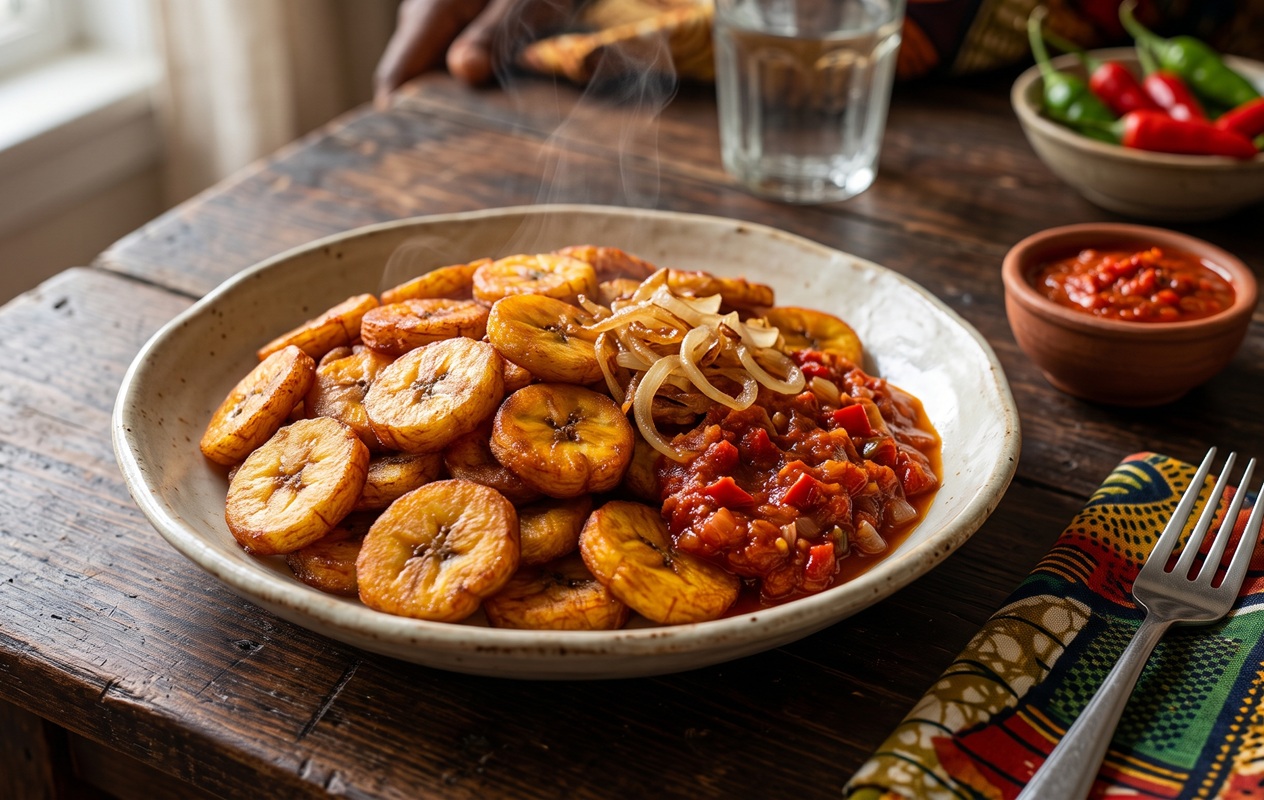
This sauce is the perfect accompaniment to alloco. It adds acidity, heat, and a smooth richness to the dish.
To prepare it:
- Sauté a finely chopped onion in a little oil.
- Add the tomatoes, cut into small pieces, or tomato puree.
- Stir in the chili pepper to taste.
- Let it simmer for about 10 minutes, until the sauce reduces slightly.
- Season with salt, pepper, and, if desired, a crushed bouillon cube.
The sauce should be creamy, slightly spicy, and well-seasoned. It shouldn’t overpower the alloco, but rather complement them.
The best side dishes
| Side Dish | Why it works well |
|---|---|
| Braised fish | This is the most classic pairing. Smoked or braised fish adds flavor and complements the sweetness of the plantain. |
| Fried Fish | The contrast between the crispiness of the fish and the melt-in-your-mouth texture of the alloco is very popular. |
| Braised chicken | Ideal for a heartier meal, especially in the evening or when sharing with family. |
| Hard-boiled eggs | A simple, economical, and very common option, especially for a snack or a savory breakfast. |
| Attiéké | Cassava semolina adds a unique texture and turns alloco into a more complete meal. |
| Chili sauce | It enhances the sweetness of the plantain and is particularly suited for those who enjoy spicy dishes. |
Variations on Alloco
Plain alloco remains the most common version. The plantains are simply fried, drained, and then served with chili peppers, fried onions, or tomato sauce.
Alloco with fish is probably the most iconic version. It’s served with braised fish, often accompanied by a spicy tomato sauce and onions.
Alloco with chicken is also very popular. The braised chicken, sometimes marinated with local spices, adds more protein and makes the dish more filling.
Alloco with peanut sauce is found in certain regions and offers a richer alternative, with a creamy sauce made from peanut butter.
How to Make Crispy Alloco
- Choose very ripe plantains: they should be soft, sweet, and speckled with black spots.
- Cut the plantains into even slices: this ensures they cook evenly.
- Don’t overcrowd the pan: fry in small batches.
- Keep an eye on the color: the alloco should be golden brown, not black. If it gets too dark, it can taste bitter.
- Drain thoroughly on paper towels after frying.
- Serve immediately: alloco gradually loses its crispiness as it cools.
Why Ivorians Love Alloco
Alloco is popular because it’s simple, quick to prepare, and affordable. Plantains are easy to find, and frying transforms a common ingredient into a very flavorful dish.
It’s also a dish meant for sharing. In Abidjan, as in many cities across the country, it’s eaten in maquis, casual restaurants, and street stalls. It works just as well as a quick meal as it does for a convivial gathering with friends or family.
Finally, alloco represents a form of home-style cooking: inexpensive, hearty, and suitable for any occasion. It can be enjoyed on its own, but it really shines when served with braised fish, chicken, or a spicy sauce.
FAQ on Alloco
What kind of banana should you use for alloco?
Use very ripe plantains with yellow skin speckled with black. They’re sweeter and result in an alloco that’s melt-in-your-mouth on the inside.
Can you make alloco without fish?
Yes. Alloco can be enjoyed plain, with chili peppers, fried onions, tomato sauce, or hard-boiled eggs.
How can you prevent alloco from absorbing too much oil?
Heat the oil properly, fry in small batches, and immediately drain the pieces on paper towels.
Is alloco an Ivorian dish?
Yes. Alloco is an iconic specialty of Côte d’Ivoire, although similar dishes exist in several West African countries.
What is the difference between alloco and fried plantains?
There isn’t much difference in the ingredients: alloco is a dish made with fried plantains. However, the term “alloco” specifically refers to the Ivorian tradition and the use of very ripe plantains.
In summary
Alloco is much more than just a fried plantain. It is a convivial, economical, and flavorful Ivorian dish, distinguished by the use of very ripe plantains, careful frying, and spicy accompaniments. Served with braised fish, chicken, or a tomato-chili sauce, it offers a perfect contrast between sweetness, crispiness, and spiciness.

